


CONTACT US
News
Home » An Update on Our Lake Level Efforts
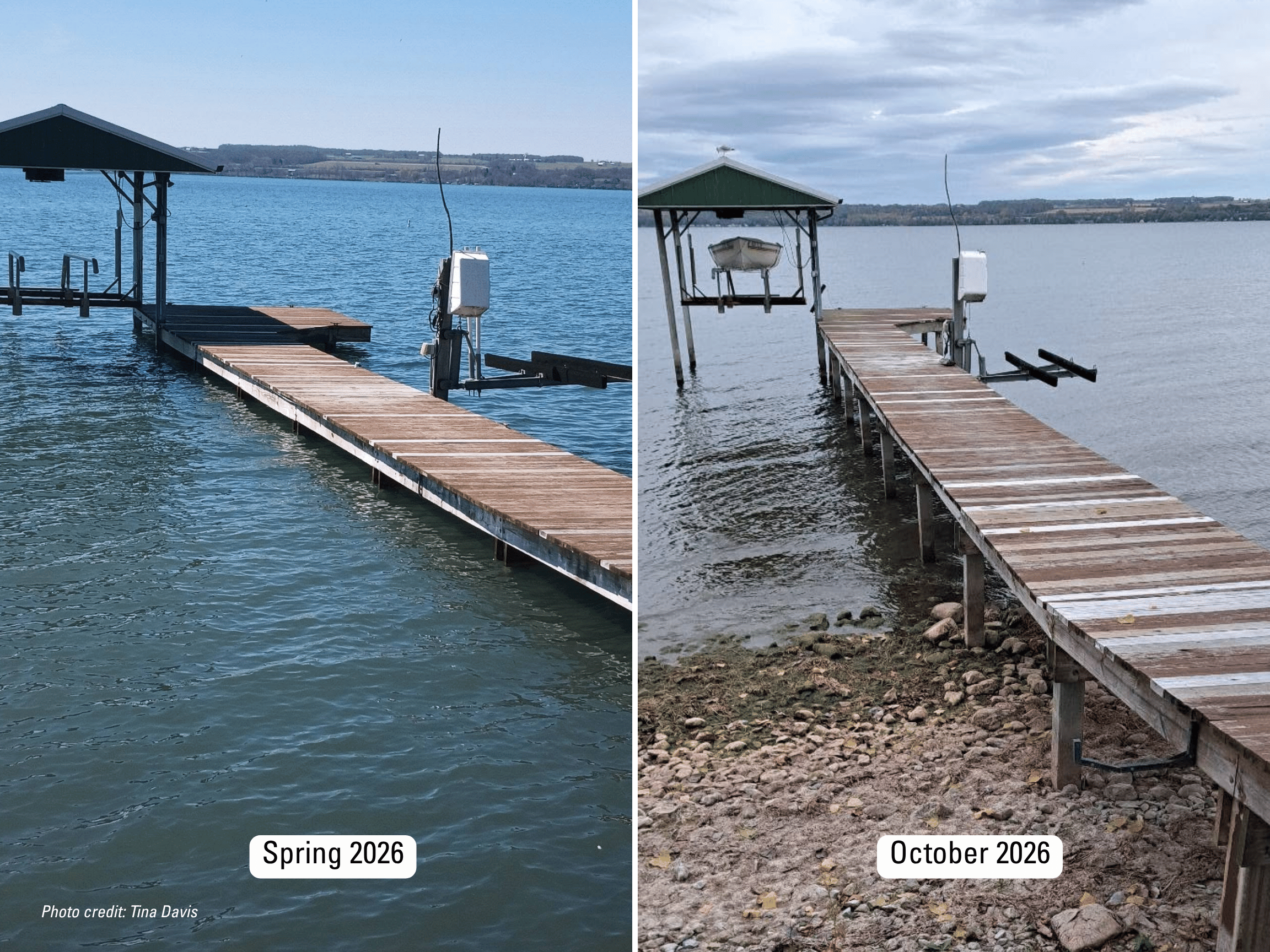
GENEVA, N.Y. – Seneca Lake Pure Waters Association (Pure Waters) continues to work with state officials, regulatory agencies, and community leaders to address ongoing lake level concerns and advocate for improved lake level management. As these discussions and efforts move forward, we want to keep our members and the broader community informed about the steps being taken, the progress being made, and what’s next.
On October 14, Pure Waters representatives participated in a follow-up meeting with New York State Senator Pam Helming (NY Senate District 54) and other stakeholders. The discussion built on an initial June 12 meeting with representatives from the NYS Canal Corporation, NYS Department of Environmental Conservation (DEC), Relevate Power, and New York Power Authority, when concerns centered on extremely high water levels, shoreline damage, and the need for faster permitting and improved emergency flood response procedures.
Here’s an update on where things stand and what we’re working toward:
What’s Next?
Senator Helming continues to play an active role in bringing agencies and stakeholders together to address these challenges. While some issues will take time to resolve, Pure Waters remains committed to advocating for timely repairs to the Seneca Falls Dam, improvements to the shoreline permitting process, and better long-term lake level management. We’ll continue keeping our members and the community informed as these efforts move forward.
To learn more about becoming a member, click here.
To learn more about donating, click here.
Seneca Lake Pure Waters Association is a 501(c)3 organization committed to preserving, protecting, and promoting the abundant resources of the largest Finger Lake. Seneca Lake is a source of drinking water, recreation, and economic opportunity for the greater community and its visitors. Our programs and partnerships make it possible to monitor water quality, educate the public, and evaluate threats to ensure a healthy future for Seneca Lake and those who depend on it.

CONTACT US
Seneca Lake Pure Waters Association
P.O. Box 247
Geneva, NY 14456
QUICK LINKS
SUBSCRIBE TO OUR NEWSLETTER