


CONTACT US
News
Home » Oswego River Basin Water Level Bill Passes in the Senate
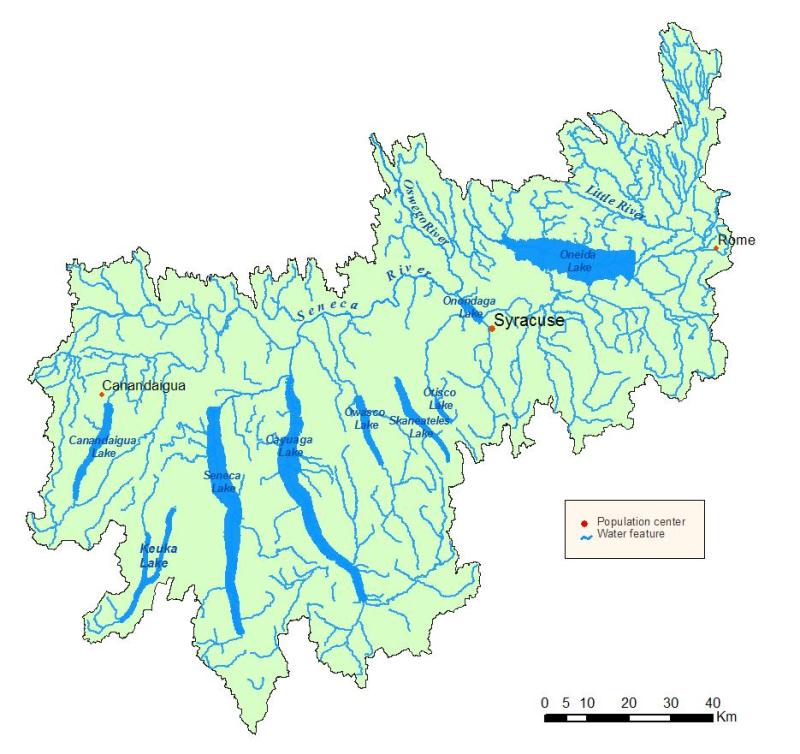
GENEVA, N.Y. – Seneca Lake Pure Waters Association President William H. Roege has voiced support for recently passed legislation (S8924/A10117) establishing an Oswego River Basin stakeholder group to improve flood mitigation and coordination of water management throughout the basin. The bill, sponsored by Senator Christopher Ryan, would bring together state agencies, local governments, water managers, and technical experts to evaluate current practices and develop recommendations to better protect communities from recurring flooding. In a letter to Governor Kathy Hochul, Roege said the legislation represents an important step toward addressing increasingly complex water-management challenges and adapting to changing climate conditions. The bill has passed both houses of the Legislature and now awaits consideration by Governor Hochul.
Full Letter:
Dear Governor Hochul:
I am writing in support of S8924/A10117, legislation intended to improve coordination and understanding of water management throughout the Oswego River Basin.
The flooding events experienced throughout the Finger Lakes region this year clearly demonstrate the need for continued evaluation of basin-wide flood management practices. On Seneca Lake alone, sustained high water and wave action caused significant erosion and millions of dollars in damage to shoreline infrastructure, docks, retaining walls, businesses, and public resources.
At the same time, the broader challenges associated with flooding in the Oswego River Basin are not new. Concerns regarding interconnected lake management, downstream flow constraints, competing operational objectives, and flood vulnerability have existed for decades. Recent events simply underscore the growing importance of addressing these issues proactively.
Importantly, climate conditions across the northeastern United States are changing. The region is experiencing increasingly volatile hydrologic conditions, including more extreme precipitation events, rapid runoff, prolonged wet periods, and alternating drought conditions. These trends place increasing pressure on infrastructure and operational frameworks that were largely developed using historical hydrologic assumptions and data limitations from decades ago.
For this reason, we believe it is appropriate not only to improve basin coordination, but also to begin evaluating whether current rule curves and operational assumptions remain fully optimized for emerging climate realities. Modern forecasting, telemetry, watershed modeling, soil saturation analysis, and real-time hydrologic data now provide opportunities that did not exist when many existing operational frameworks were established.
S8924/A10117 does not predetermine operational or regulatory outcomes, nor does it appear to require significant immediate expenditures. Rather, it establishes a reasonable framework for coordination, assessment, and informed discussion among affected stakeholders, agencies, technical experts, and water-management entities.
We view this legislation as the logical next step following the 2023 Upstate Flood Mitigation Task Force recommendations and the current basin modeling efforts already underway. Before New York State can determine the best long-term path forward, it is essential that we better understand the full range of operational, hydrologic, technological, and institutional possibilities available to the basin.
No single organization or operating authority can fully optimize all competing objectives within the Oswego River Basin, including flood mitigation, navigation, hydropower, ecological protection, recreation, and shoreline resilience. However, improved coordination, modern scientific tools, and collaborative evaluation may help New York State better prepare for the increasingly complex water-management challenges likely to emerge in the decades ahead.
For these reasons, I respectfully encourage your support for S8924/A10117.
William H. Roege
President
Seneca Lake Pure Waters Association
Click Here to view the full letter as a pdf.
Interested in learning more about the bill? Click here to learn more.

CONTACT US
Seneca Lake Pure Waters Association
P.O. Box 247
Geneva, NY 14456
QUICK LINKS
SUBSCRIBE TO OUR NEWSLETTER