


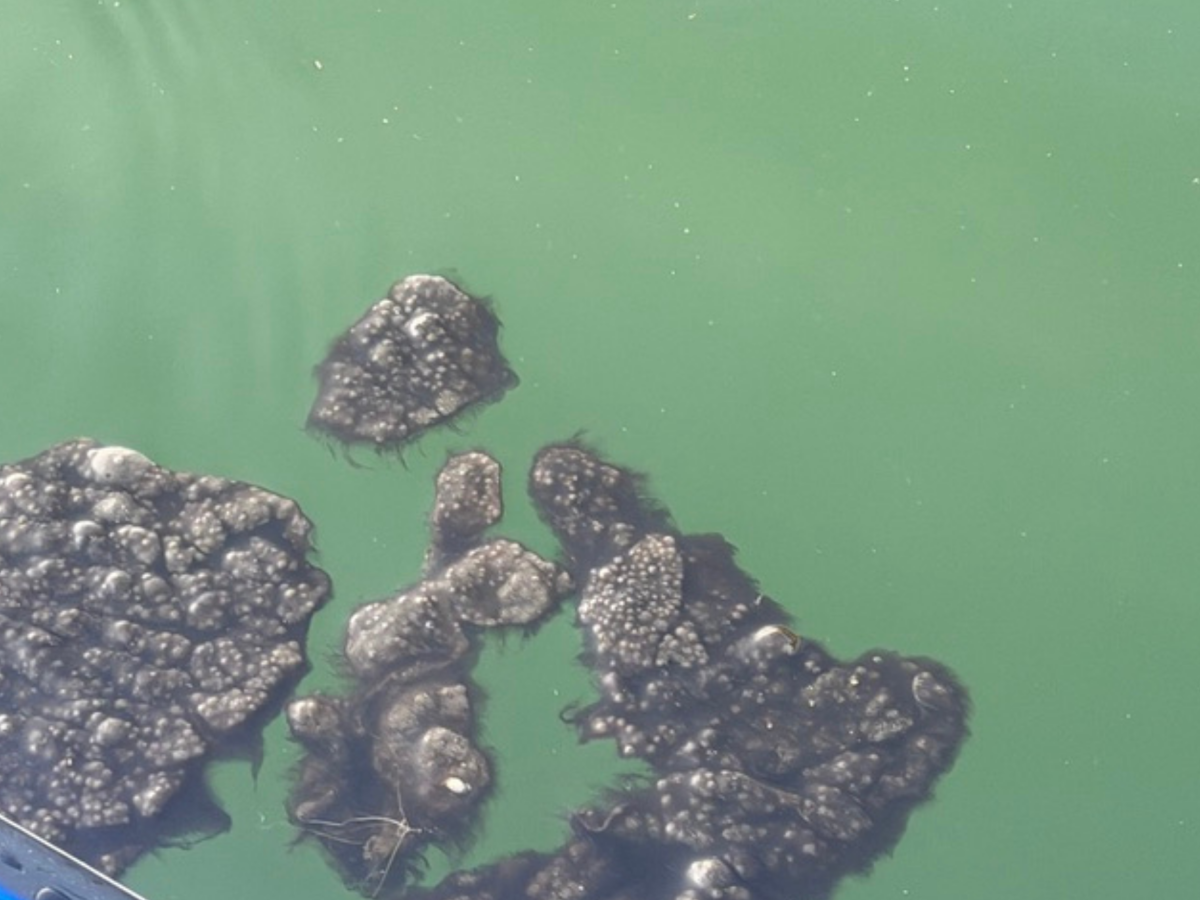
CONTACT US
News
Home » Benthic Cyanobacteria Identified in Seneca Lake
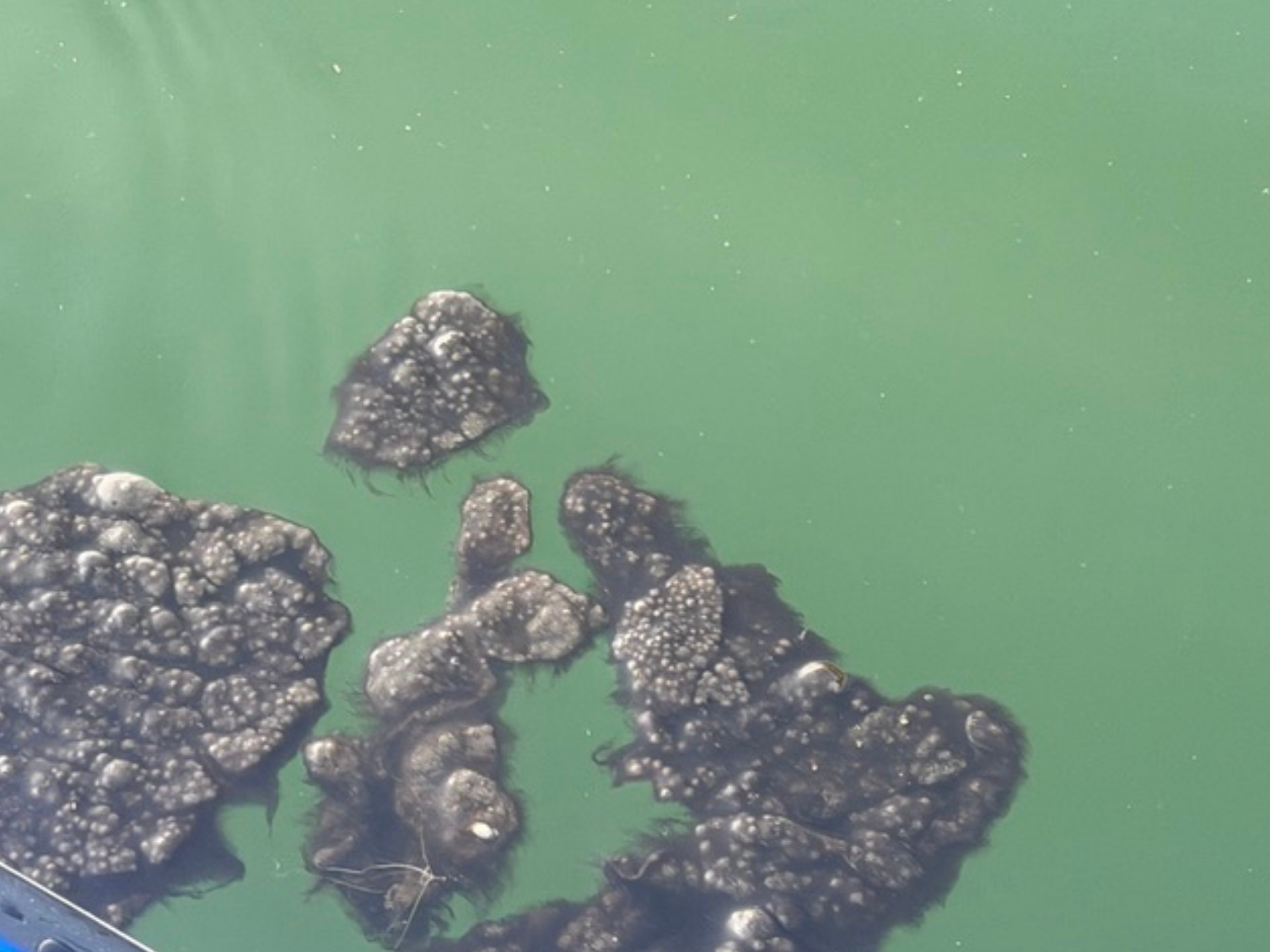
Geneva, N.Y. – Seneca Lake Pure Waters Association (Pure Waters) is asking the public to be aware of benthic cyanobacteria following a recent identification in Seneca Lake. Pure Waters recently received several photos of unusual debris in the lake near Lakeshore Landing, north of Sampson State Park. After consultation with the Finger Lakes Institute (FLI), a volunteer collected a sample, which FLI visually identified as benthic cyanobacteria of the genus Oscillatoria.
While this is the first report of benthic cyanobacteria documented through Pure Waters’ monitoring efforts, it does not necessarily mean it is new to Seneca Lake. Research into benthic cyanobacteria is growing, and Pure Waters will continue working with FLI and the New York State Department of Environmental Conservation (NYSDEC) to learn more about its presence in the lake.
What is Benthic Cyanobacteria?
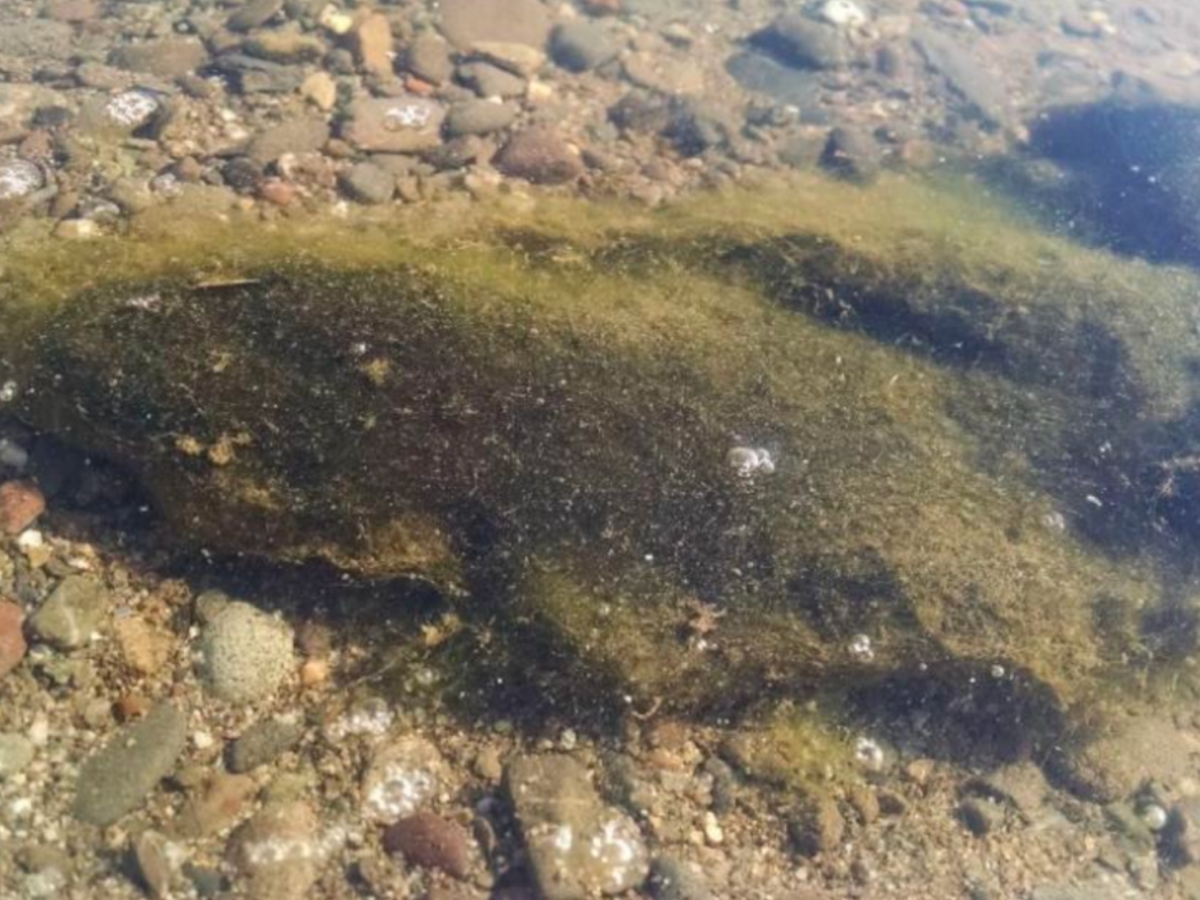
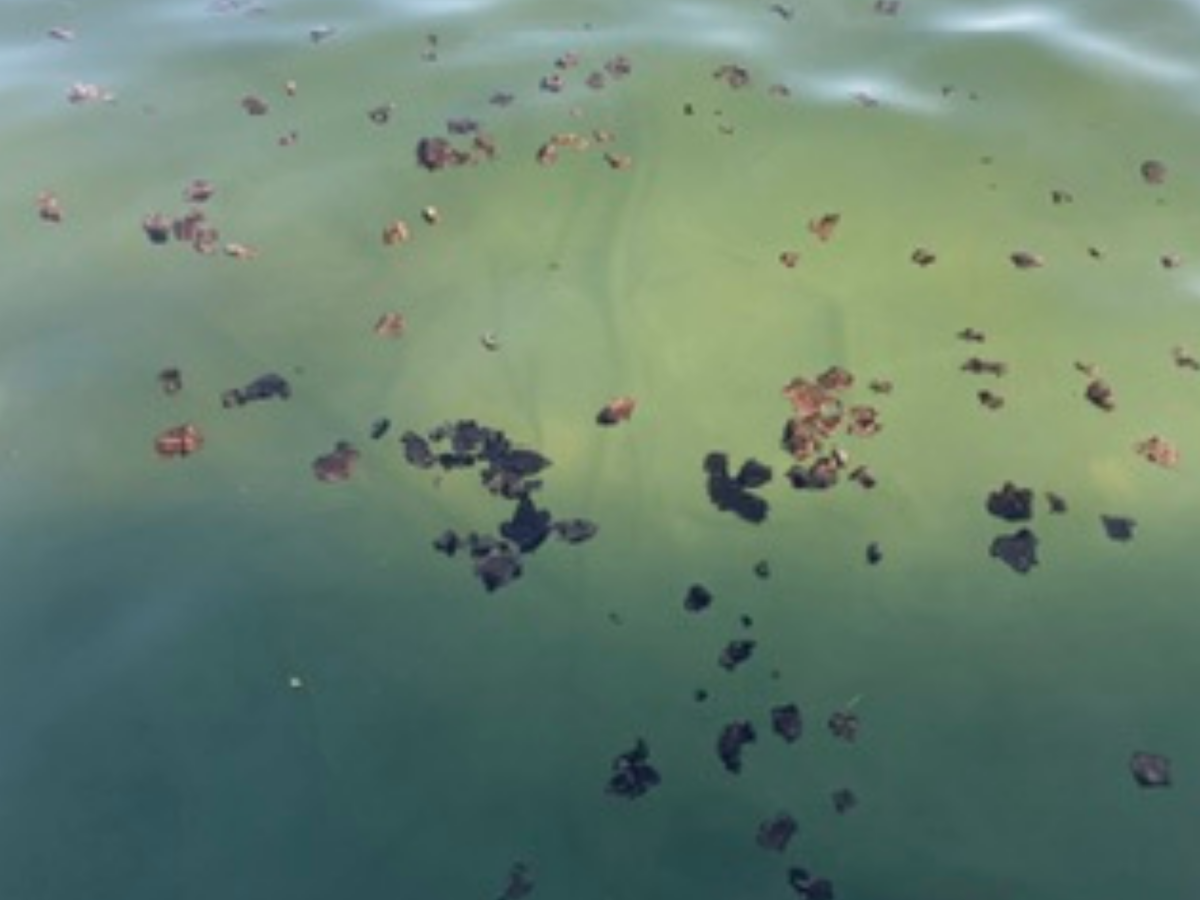
“Benthic” means bottom-dwelling. Unlike the harmful algal blooms (HABs) we typically see floating at or near the surface, benthic cyanobacteria grows on the bottom of a lake, where it can form mats attached to rocks, sediment, plants, and other material. Pieces of these mats can break loose and float to the surface, which is what led to the recent identification on Seneca Lake. Some types of cyanobacteria are capable of producing toxins, including microcystin, so the safest approach is the same as with other suspected HABs: avoid contact and report it.
What Do We Know About Benthic Cyanobacteria in the Finger Lakes?
Benthic cyanobacteria has been studied in other Finger Lakes, including Canandaigua, Cayuga, and Honeoye lakes. Research led by Abby Webster at SUNY College of Environmental Science and Forestry, working with the Finger Lakes Institute and other partners, has examined where benthic cyanobacteria occurs, how it can be monitored, and its potential to produce toxins.
Her research found both toxic and non-toxic populations of benthic cyanobacteria in the Finger Lakes, including a toxin-producing type in Honeoye Lake. That organism was different from the Oscillatoria recently identified in the Seneca Lake sample. The research highlights how much there is still to learn about benthic cyanobacteria and the importance of gathering observations to better understand where it occurs in our lakes.
What Should You Do If You See It?
If you notice unusual mats or clumps of material in or along Seneca Lake that you suspect could be benthic cyanobacteria:
HABs volunteers should continue to prioritize regular shoreline monitoring and are not being asked to search the lake bottom for benthic cyanobacteria.
Want to Learn More?
The Lake Champlain Committee and Tetra Tech recently hosted a webinar, “Identifying Benthic Cyanobacteria in Lakes.” The webinar features:
Pure Waters will continue to share updates as we learn more about benthic cyanobacteria in Seneca Lake and what it may mean for our monitoring efforts. Thank you to the community members and volunteers who brought the initial observations to our attention.
To learn more about becoming a member: https://senecalake.org/join/
To learn more about donating: https://senecalake.org/giving/
Seneca Lake Pure Waters Association is a 501(c)3 organization committed to preserving, protecting, and promoting the abundant resources of the largest Finger Lake. Seneca Lake is a source of drinking water, recreation, and economic opportunity for the greater community and its visitors. Our programs and partnerships make it possible to monitor water quality, educate the public, and evaluate threats to ensure the a healthy future for Seneca Lake and those who depend on it.

CONTACT US
Seneca Lake Pure Waters Association
P.O. Box 247
Geneva, NY 14456
QUICK LINKS
SUBSCRIBE TO OUR NEWSLETTER