


CONTACT US
News
Home » PFAS in Seneca Lake: New Research and Remediation Updates
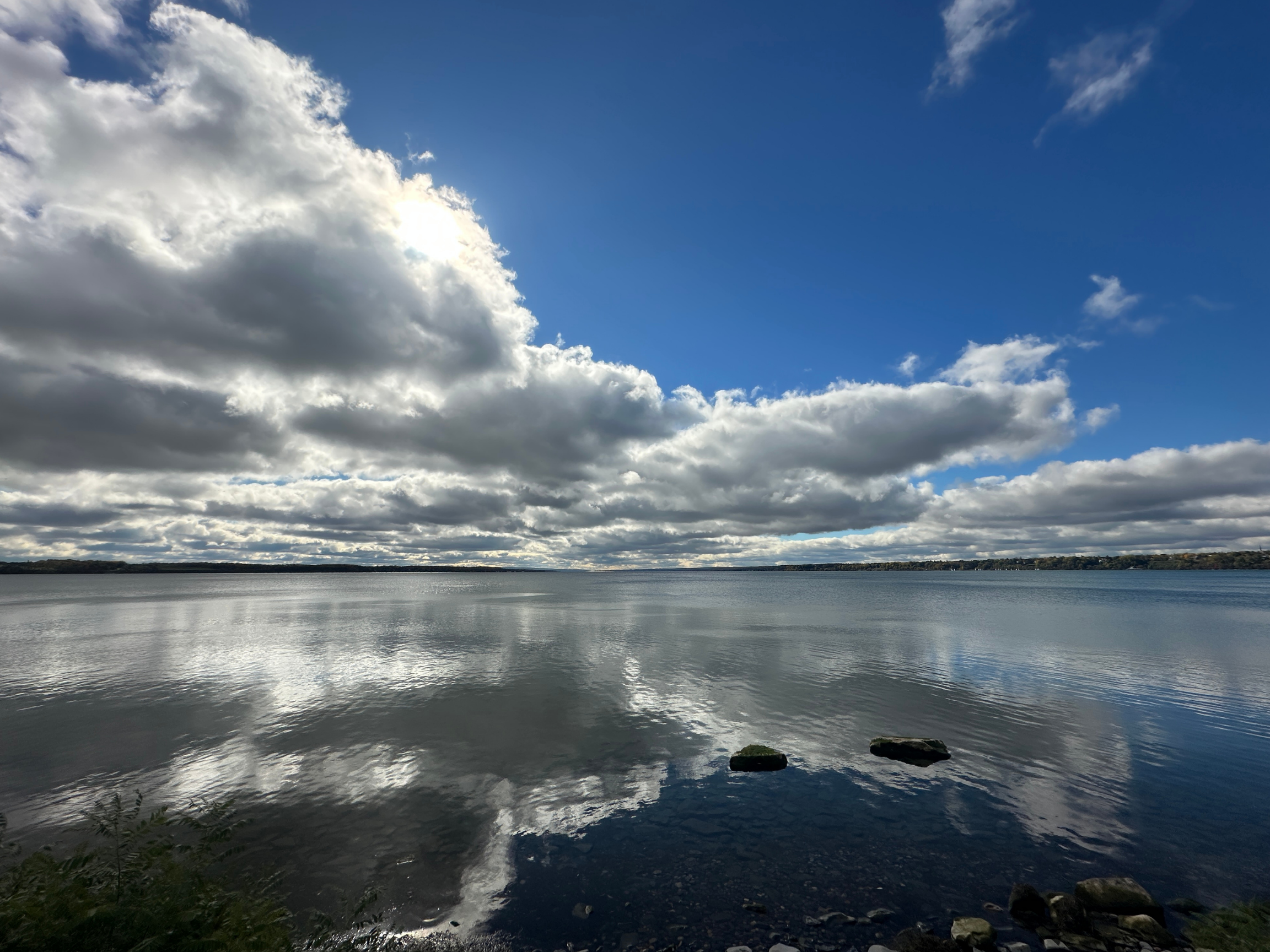
GENEVA, N.Y. – New research from Cornell University is providing a closer look at PFAS, commonly known as “forever chemicals,” across the Finger Lakes, including Seneca Lake. The research builds on growing regional efforts to better understand the presence of these chemicals in local waterways and their potential impacts on water quality. In 2024, Seneca Lake Pure Waters Association (Pure Waters) partnered with the Finger Lakes Institute to assist with PFAS testing throughout the Seneca Lake watershed. While concentrations in Seneca Lake itself were relatively low, elevated levels were detected in streams originating near the former Seneca Army Depot, highlighting the need for continued monitoring.
Cornell University’s latest research offers another perspective on PFAS contamination across the region, helping identify where these chemicals are present and informing future monitoring efforts.
Learn more:
Proposed PFAS Remediation at the Former Seneca Army Depot
In spring 2026, the U.S. Army Corps of Engineers held a public meeting at the former Seneca Army Depot to discuss elevated PFAS concentrations detected in Kendaia Creek. Following testing conducted within the Depot’s boundaries, the Corps identified temporary remediation measures involving two granular activated carbon filtration systems. One system would treat groundwater near the source of contamination at the SEAD-25 Fire Fighting Training Area, while the second would filter water directly from Kendaia Creek. Funding has been requested for both systems, although Pure Waters has not yet received confirmation that funding has been secured.
To learn more about becoming a member, click here.
To learn more about donating, click here.
Seneca Lake Pure Waters Association is a 501(c)3 organization committed to preserving, protecting, and promoting the abundant resources of the largest Finger Lake. Seneca Lake is a source of drinking water, recreation, and economic opportunity for the greater community and its visitors. Our programs and partnerships make it possible to monitor water quality, educate the public, and evaluate threats to ensure a healthy future for Seneca Lake and those who depend on it.

CONTACT US
Seneca Lake Pure Waters Association
P.O. Box 247
Geneva, NY 14456
QUICK LINKS
SUBSCRIBE TO OUR NEWSLETTER