


CONTACT US
News
Home » Low Lake Levels: What Shoreline Residents Are Reporting
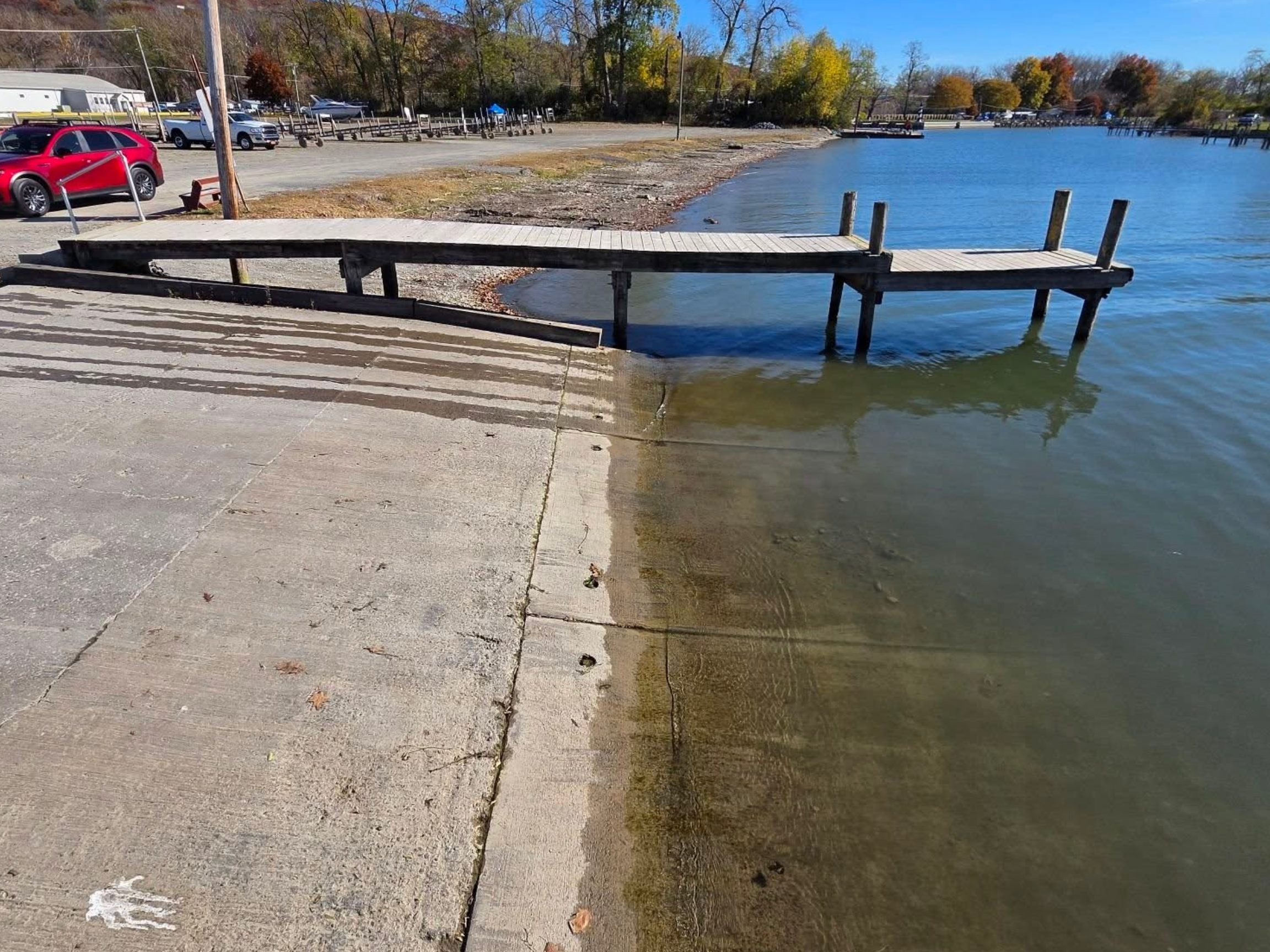
GENEVA, N.Y. – As Seneca Lake continues to experience low water levels, shoreline residents are reporting growing concerns about water access, exposed intake pipes, and the potential for freezing temperatures to create additional challenges this winter. We recently launched a Shore Well & Water Access Survey to better understand how low lake levels are affecting residents who rely on shore wells and lake water intake systems. As of October 28, we received 78 responses, offering a closer look at the challenges facing shoreline property owners.
Of the 78 survey respondents, 56 reported having a shore well. Among those residents, 33 (59%) reported experiencing issues with their water systems, while 55 (98%) expressed concern about their water supply.
Survey responses reveal a range of impacts, from inconveniences to significant disruptions in household water access. Some residents report that their shore wells have run dry or that their water intake systems are no longer functioning properly. Below are some of the concerns reported:
Beyond household water concerns, respondents also described difficulties accessing the lake, including boats stranded on lifts, early boat removal, and unusable docks or boat lifts. While these findings highlight significant challenges among participating residents, the survey is voluntary and does not necessarily reflect conditions experienced by all shoreline property owners. The responses also represent residents’ reported experiences rather than independently verified water quality or system assessments.
Current Lake Conditions and Potential Repairs
According to Pure Waters’ Lake Level Committee, the gates in Waterloo appear to have been closed to lower downstream water levels and facilitate repairs to the canal and gates in Seneca Falls. Seneca Lake’s water level appears to have stabilized, although it remains unusually low. It remains uncertain how long these conditions will continue and what they will mean for lake levels moving forward.
Preparing for Freezing Temperatures
With winter approaching, exposed lake water intake pipes may be at risk of freezing. One potential solution is an in-pipe heating system, such as Heat-Line’s Retro-Line. Residents should consult a qualified professional to determine what options are appropriate for their water systems.
Shoreline property owners can also complete our Shore Well & Water Access Survey to help us better understand the impacts of low lake levels and identify resources that may benefit others. If you have any solutions, ideas, or resources, please email us at info@senecalake.org.
To learn more about becoming a member, click here.
To learn more about donating, click here.
Seneca Lake Pure Waters Association is a 501(c)3 organization committed to preserving, protecting, and promoting the abundant resources of the largest Finger Lake. Seneca Lake is a source of drinking water, recreation, and economic opportunity for the greater community and its visitors. Our programs and partnerships make it possible to monitor water quality, educate the public, and evaluate threats to ensure a healthy future for Seneca Lake and those who depend on it.

CONTACT US
Seneca Lake Pure Waters Association
P.O. Box 247
Geneva, NY 14456
QUICK LINKS
SUBSCRIBE TO OUR NEWSLETTER